Case study · Coffee
Blue Bottle in Japan: the rise of a myth, and what it cost
28 cafés, five-hour queues on day one, a loss-making sale eleven years later. What that trajectory really says about the Japanese market.
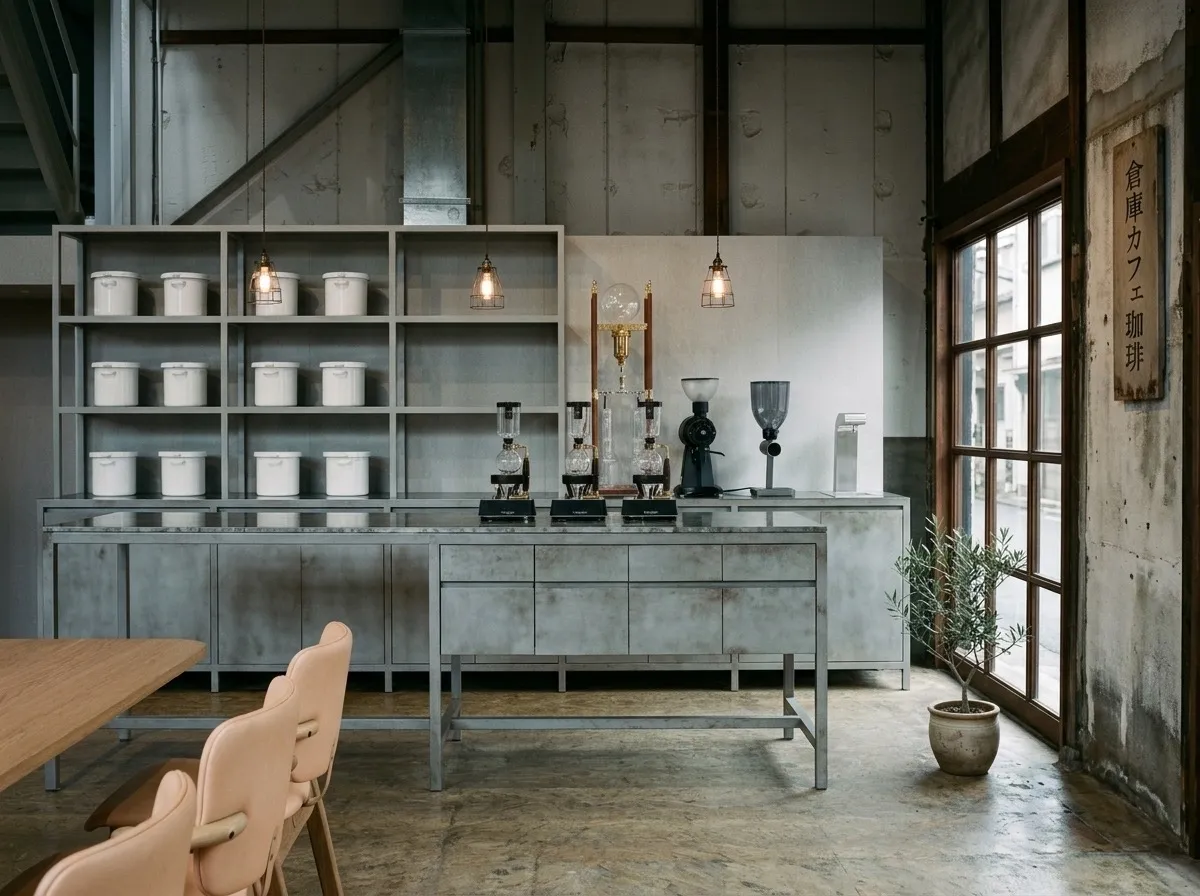
In February 2015, an unknown Californian roaster opened eight seats in a quiet residential district of eastern Tokyo. On day one, people queued for five hours. Eleven years later the brand runs 28 addresses in Japan and has just been sold at a loss. Both facts are true at once, and that is the whole point.
There is no such thing as the Japanese coffee market
Japan is the world's third-largest coffee market by volume. Consumption reached about 5.2 kg per capita in 2023, rising steadily, and the market is expected to grow from $3.47 billion in 2025 to over $4 billion by 2035.
But speaking of a single Japanese coffee market is a foreign brand's first mistake. Four worlds coexist, with customers, prices and expectations that have almost nothing in common.
- Kissaten: the historic coffee houses, often run by the same family for decades, with their ritual and their regulars.
- Mass chains: Doutor, Komeda, Tully's, and above all Starbucks, by far the country's largest network.
- Convenience stores: Seven-Eleven has sold 130-yen coffee since 2013, over a billion cups a year. That price redefined the floor of the market.
- Specialty: the third wave, where Blue Bottle settled. Higher prices, a staged gesture, an experience sold alongside the coffee.
A foreign brand therefore does not compete with Japanese coffee. It picks a lane. Since 2015 specialty is the lane that has grown most, carried by tourism and by a design-literate generation.
What Blue Bottle did differently
Blue Bottle did not start in Ginza or Shibuya, but in Kiyosumi-Shirakawa, a district of workshops and galleries with no obvious foot traffic. The choice looked counter-intuitive. It became the founding myth.
We thought this was going to be slow, outside of town. Who would have thought a store in Kiyosumi would do as much as one in Aoyama?
James Freeman, its founder, did not expect it himself. A residential street performing like a prime location is rare. Three decisions explain what followed.
- The product was not adapted, the ritual was: the brand understood that the Japanese customer buys an execution, not only a taste.
- Japan was treated as a market, not an annex: local roasting, dedicated merchandise, collaborations with MUJI and BEAMS, ready-to-drink coffee in convenience stores.
- Design as a language: minimalism turned every café into a photographic subject. The brand was a visual phenomenon before it was a consumption one.
There is a lesson about execution behind all of this. Blue Bottle did not succeed despite the Japanese market, it succeeded thanks to a local team that carried its standards. The brand brings the DNA, the ground brings the execution.
The twist: a cult brand sold at a loss
Here is the part enthusiastic case studies leave out. In 2017 Nestlé took a majority stake in Blue Bottle. The amount was never official, but analysts put it around $500 million, valuing the whole near $700 million.
In March 2026 Nestlé sold Blue Bottle to Centurium Capital, the fund that controls Luckin Coffee. The price is below $400 million for the entire global operations. A loss-making sale, owned as part of a refocusing strategy.
A brand can be a market success and a financial failure. In Japan, Blue Bottle is a clear commercial win: the queues, the image, a clean expansion across five cities. And yet the whole did not return what its buyer expected.
Specialty margins are structurally thin. Prime-location rents, local roasting, skilled staff: the scale needed to make that model profitable is enormous. The Japanese market rewards excellence in execution, it does not rescue a fragile business model.
% Arabica, the reverse model
To measure the contrast, look at % Arabica. Founded in Kyoto, the brand took the opposite path: a Japanese café that exports, from Singapore to Dubai, from China to Europe.
Its Arashiyama store, facing the Katsura river, has become an iconic place, shared endlessly on social media. The model rests on an instantly recognisable design and on expansion run through local partnerships.
What % Arabica proves: in Japan a coffee brand can be born, grow and export without industrial scale. On one side licensing and partnerships, on the other walls and roasters. The business model matters as much as the concept.
Matcha, the parallel opportunity
One last signal the data makes hard to ignore. The domestic matcha market has grown from about 20 billion yen in 2018 to an estimated 30 to 40 billion today, driven by sweets, matcha latte and tourist demand.
Global demand exceeds supply, tencha prices are climbing, and cafés worldwide are adding matcha to their menus. And the matcha latte is already a coffee product: ordered at the same counter, with the same gesture.
For a coffee brand looking at Japan, this is a natural doorway. The country sits at the source of supply, and a concept that includes matcha rides the strongest trend in the sector.
Six lessons for a brand looking at Japan
Blue Bottle's story is a case study, provided you read it the right way round. Here is what we take from it on the ground.
- Japan rewards execution, not fame: Blue Bottle arrived almost unknown. A brand famous elsewhere starts from zero here.
- The choice of district is a statement: Kiyosumi made Blue Bottle as much as the reverse. The first location opens the brand's story.
- The product does not copy, the ritual adapts: Japanese customers already have a codified relationship with coffee. Bring something new, in codes they read.
- The business model decides everything: entering with your own capital or with a local partner is the first strategic decision, not a paperwork question.
- The market is segmented, not saturated: between the 130-yen convenience cup and the 800-yen specialty one, gaps remain. You still have to pick yours.
- Matcha is the angle not to miss: the strongest global trend in the sector runs through Japan.
The fourth lesson is the one that costs most when discovered too late. It deserves a stop before you choose a location.
Sources
- Toyo Keizai, entretien avec James Freeman sur l'ouverture de Kiyosumi-Shirakawa
- MATCHA, les 28 adresses Blue Bottle au Japon
- Global Coffee Report, Nestlé confirme la vente de Blue Bottle à Centurium Capital, 2026
- Comunicaffe, une vente sous les 400 millions de dollars et ce qu'elle enseigne
- worldmetrics, consommation de café par habitant au Japon, 5,2 kg en 2023
- Expert Market Research, marché japonais du café 2025 à 2035
- matcha-times, marché intérieur du matcha, enquête ministère de l'Agriculture
Frequently asked questions
Did Blue Bottle succeed in Japan?
Commercially, yes: 28 cafés, an image that became a reference, expansion across five cities. But the company as a whole was sold at a loss by Nestlé in 2026, a reminder that brand success and financial success are two different things.
Why start in Kiyosumi-Shirakawa?
Choosing a quiet, creative district that was turning into a coffee hub created a founding myth. On day one, customers queued for five hours for a hand-poured filter.
Is the Japanese coffee market open to a foreign brand?
Yes, and the specialty lane is the most dynamic. But the market is segmented between kissaten, mass chains, convenience stores and specialty. A foreign brand must pick its lane, not attack the market.
What is the budget for a specialty café in Tokyo?
Plan for roughly 15 to 30 million yen depending on location and format. Lease deposits, shikikin and reikin, often amount to six to ten months of rent paid upfront.
Is matcha a real opportunity for a coffee brand?
Yes. Global demand is growing faster than supply, and the matcha latte is already a coffee product: ordered at the same counter, with the same gesture.

The letter
土台 Journal, every week.
The restaurants and shops that have just opened in Tokyo, found on foot. Past issues are readable in full, with no sign-up.
Read next
Case study
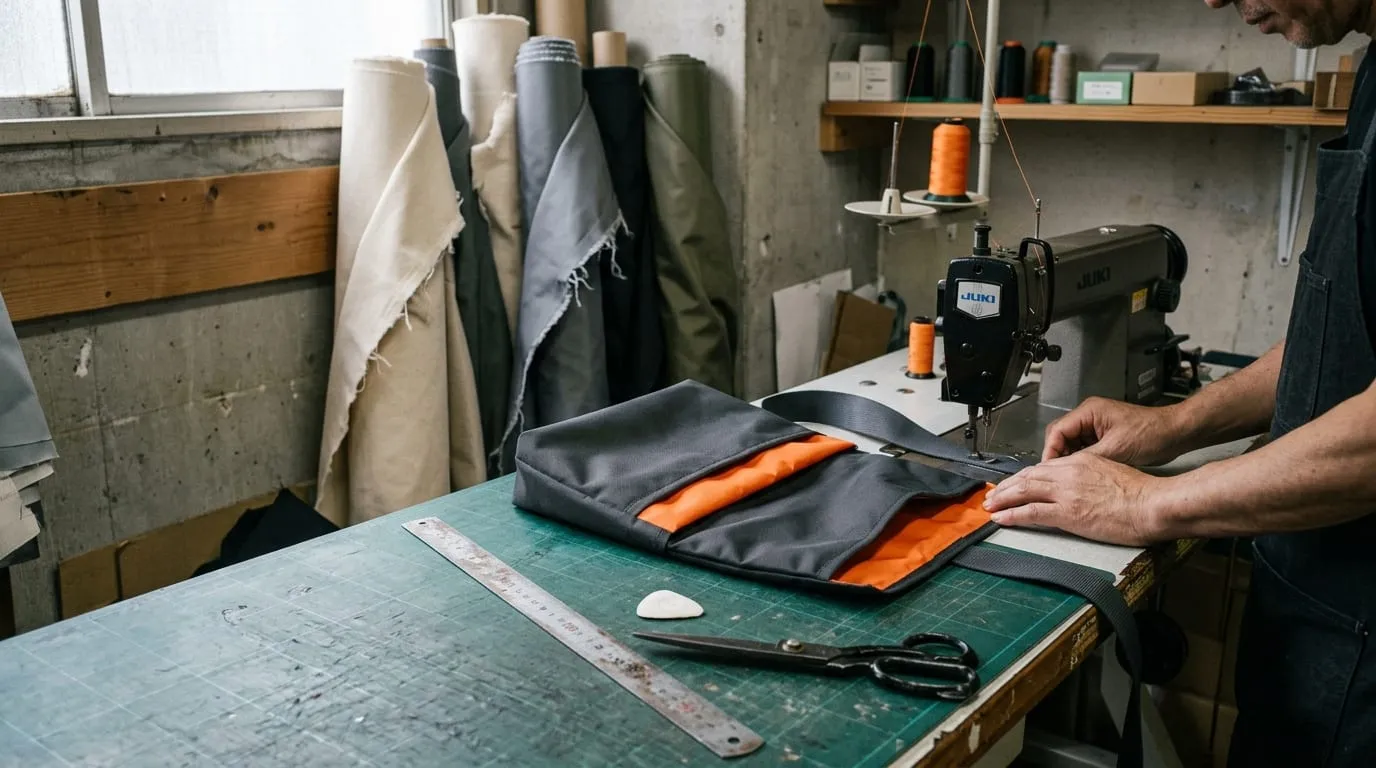
Porter, the bag nobody ever advertised
Since 1962, Porter has sold its bags with no campaigns and no sales. How a Tokyo family firm turned its founder's instruction into a business model.
Case study
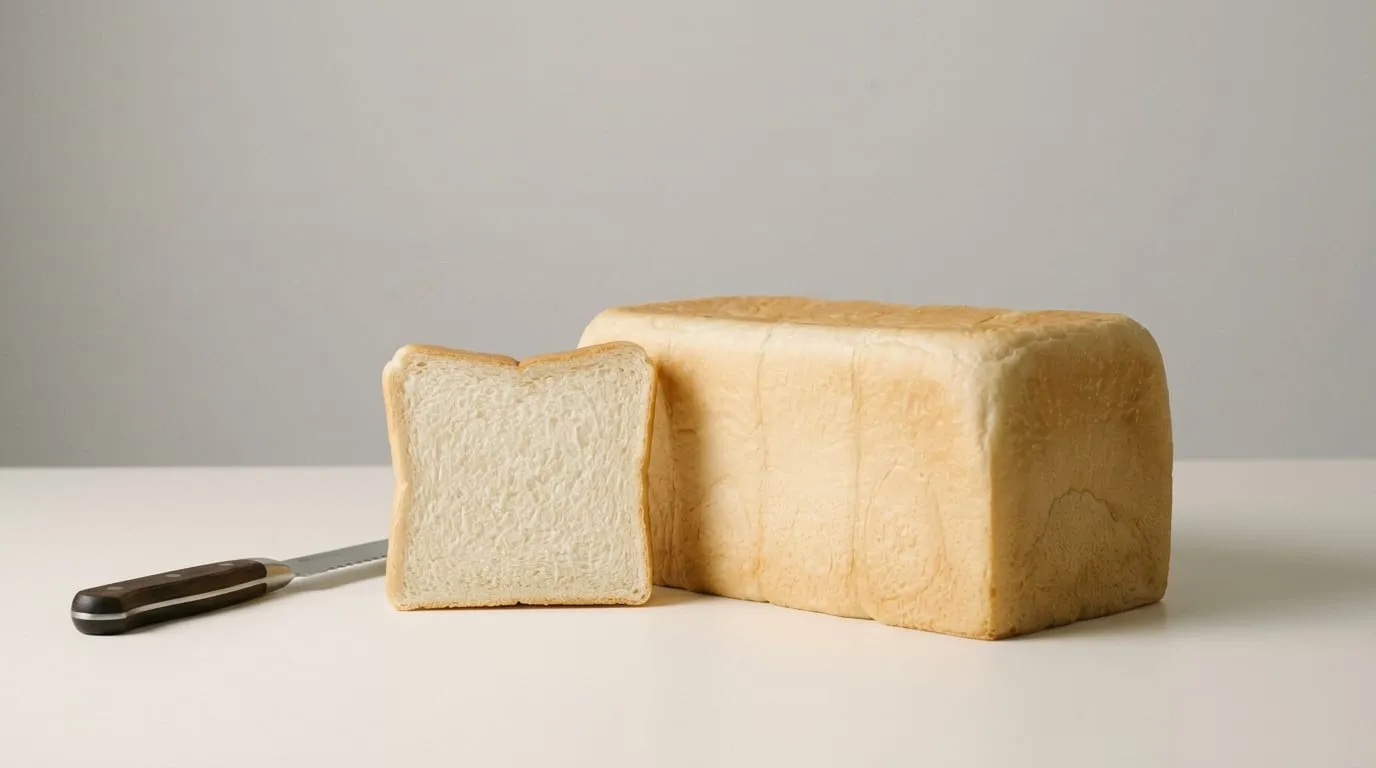
Japan's premium milk bread bubble, and what it cost
In 2013 an Osaka bakery sold one loaf of bread. Five years later Japan had hundreds of shops just like it. Then the closures started.
Practical guide
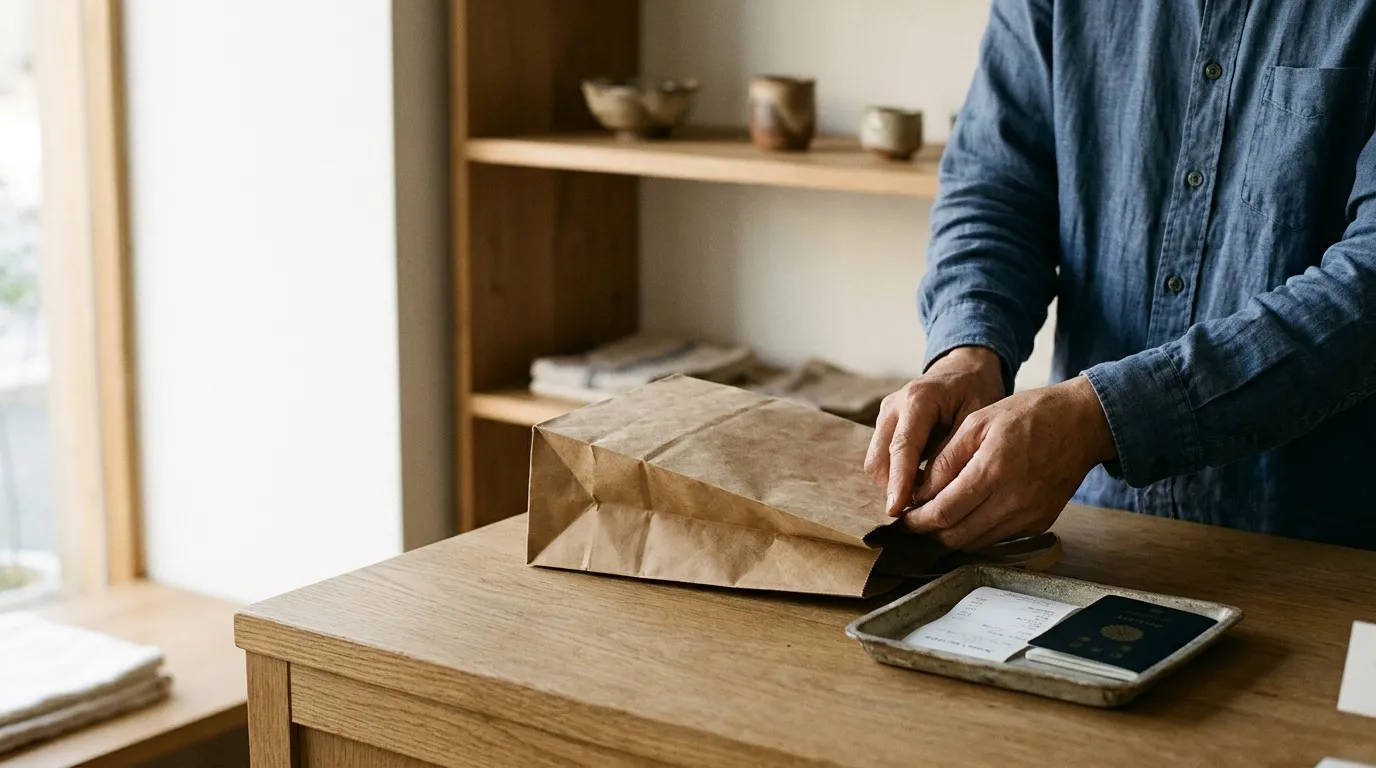
Japan's tax-free shopping changes on 1 November 2026: what retailers need to know
On 1 November 2026, Japan switches to a refund system for tax-free shopping. Tourists pay the tax at the till and get it back once customs has checked their purchases. A shop, a department store or a foreign brand that sells to visitors will have to change how it prices, refunds and reports each sale.
A guide informs. A project needs a closer look.
Let's look at yours.
Book a 30-min callA costing rather than a conversation? Request a quote