Analysis · Experience
Customer experience is not a spectacle
42.7 million visitors and a shift toward experiences, with a misreading in the middle. What brings a customer back, and what does not.
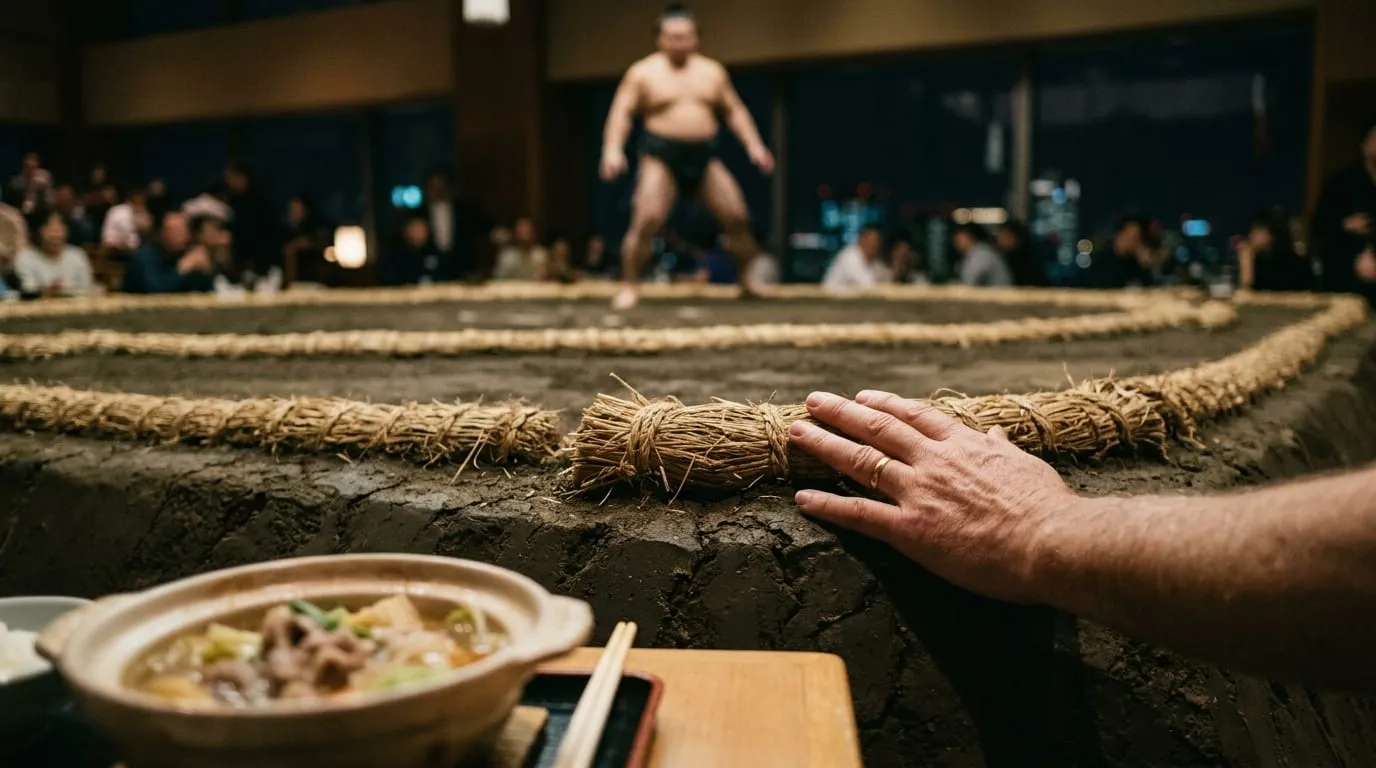
In 2025, Japan crossed the 40 million mark for foreign visitors for the first time, and everyone is commenting on the same shift: they no longer want to see, they want to do. The example that keeps coming up is the sumo restaurant at Tokyo Tower. It is also a trap.
The restaurant everyone points to
On the fifth floor of Tokyo Tower, a real clay dohyo sits in the middle of the room. Diners eat chanko nabe around the ring, the show runs ninety minutes in English, and at the end you can step up and take on a wrestler. 16,000 yen for a seat, 25,000 for V-VIP. That venue is not selling a meal, it is selling an evening.
The trap is not for its customers. It is for everyone who looks at this example and concludes they should do the same. If what you take from the sumo show is that experience means music, kimonos and sets, you miss everything that matters.
The misreading
Spectacle is the most visible version of experience. It is also the most expensive, the most fragile and the least transferable.
An Italian restaurant does not install a gondola in the dining room to conjure Venice. A Mexican one does not hire mariachis so its customers feel they had an experience. A French bistro does not rebuild a Parisian brasserie to be credible. And yet all three can deliver a remarkable experience, without a single prop.
Experience is not what you add. It is what you organise.
The numbers point the same way. Asked what brings them back to a restaurant, customers name food quality first, at 48%, then service, at 24%, ahead of atmosphere and value. And those who do not come back cite a problem with service, waiting or atmosphere more often than the cooking itself.
In other words, the dish is the entry ticket. Experience is what brings people back. In some segments, regulars account for up to 60% of revenue.
An experience is a sequence, not a moment
It starts before the door: the Google listing, the photo of the dish, how fast a booking request is answered. It plays out in the first thirty seconds: the welcome, the eye contact, the first sentence. It runs through the meal: the pacing, the waits, the water that arrives unasked, the person on the floor who explains a dish rather than reciting it. And it ends after the bill: the thank you, the goodbye, the memory people take home.
Every step is a decision. Not an accident, not a mood, not decor.
- Pacing: a customer waiting fifteen minutes for a first dish with no explanation is a broken experience. Not because the dish is bad, because the silence did the damage. One sentence from the floor turns the same wait into a moment of trust.
- The team: this is the most underrated thing in the restaurant business. An owner who knows customers by name, someone on the floor who remembers that Mr X does not drink coffee after eight, a cook who comes out to ask whether it was good. None of those gestures costs a yen.
- Consistency: experience is a promise kept at every visit. Customers are not measuring one detail, they are measuring the gap between what was promised and what they get.
Japan, without the cliché
We could say omotenashi and stop there. That would be too easy, and partly wrong.
What Japan does remarkably well is not mysterious: it is a discipline of details. Water served on a small tray. The receipt folded in two and handed back with both hands. The thank you that goes with every gesture. A floor that anticipates a need instead of following it.
It is anticipatory rather than reactive, and that is precisely why it can be trained. It is not a cultural miracle, it is training, standards and repetition.
Watch the misreading all the same. Omotenashi does not copy across into a French or Italian concept in Tokyo. Applied mechanically it becomes theatre, and customers feel it. What transfers is not the Japanese gesture, it is the mindset: service that anticipates, that does not keep people waiting, that apologises before being accused, and that treats every customer as a person rather than a ticket.
Why spectacle is fragile
The Tokyo Tower sumo show works, for one simple reason: there are real wrestlers, endorsed by two yokozuna. Behind the spectacle, there is substance.
That is what most experiential concepts lack when they open and close within the year. They have the decor, not the substance: the rented kimono, the fake torii, the photogenic room, and nobody to tell the story behind it. The customer takes the photo, does not return, and leaves a lukewarm review because something felt off.
Take the spectacle out of a concept. Is anything left?
For the sumo club, yes. Real wrestlers, a real ritual, a real culture. For most decorative concepts, all that is left is an average restaurant with an expensive lease. Spectacle draws people once, substance brings them back, and a concept that does not bring people back dies slowly.
Six questions before you open
Here is the list we work through on a concept in Tokyo.
- Is the welcome designed, or endured? Who greets, with what words, from what position? The first thirty seconds decide the rest.
- Is the pacing held? How long to the first drink, to the first dish, between dishes? Is anyone watching the room rather than only the tickets?
- Does the team know what it serves? Can they explain a dish rather than recite it, recommend on the customer rather than on the margin? A trained team is the thing that pays best.
- Are the details handled? Light at the right level at night, music that does not grate, a table that does not wobble, water that arrives on its own, the customer greeted by name on their return.
- Is the promise kept at every visit? Is a Tuesday at ten worth a Saturday at eight? This is where most places lose their regulars.
- Is the owner visible? Not to be seen, to be there. An owner on the floor who listens, answers and apologises when needed turns a mistake into loyalty. The opposite turns a happy customer into a bad review.
None of those six needs a spectacle budget. They need organisation, training and daily attention. It is the first piece of work we do with you when you want to open in Japan.
And retail
The same shift applies to stores, and the same trap waits there. A concept store that bets everything on an immersive installation draws a crowd once. A store that bets on the quality of the welcome, product knowledge, a coherent selection and after-sales service builds regulars.
The 4.2 million visitors to Tokyo's teamLab museums are not customers, they are spectators. A retail space has to know what it is after: traffic or loyalty. Both, ideally, but not on the same budget.
The dish brings them in, the experience brings them back
The shift from seeing to doing is real, and the Japan Tourism Agency figures confirm it: 9,456 billion yen spent in 2025, 16.4% more than in 2024, with spending moving from goods to experiences. But that shift does not say put on a show. It says customers want to be treated as people.
Spectacle is an option, service is a discipline. Experience is the sum of the small decisions that make a customer feel expected, understood and looked after, from the first glance to the door held open on the way out.
That is where most concepts fail: they think experience is something added to the menu. It is the menu.
Sources
- JNTO, estimated foreign visitor arrivals, December 2025 (42.68 million over the year)
- Japan Tourism Agency, survey on inbound tourism consumption trends, calendar year 2025
- Toast, restaurant loyalty statistics (48% food, 24% service)
- Restroworks, restaurant customer retention statistics (up to 60% of revenue from regulars)
- teamLab, official release on 2025 attendance at Borderless and Planets
- SoraNews24, Watch a sumo bout inside Tokyo Tower, August 2026

The letter
土台 Journal, every week.
The restaurants and shops that have just opened in Tokyo, found on foot. Past issues are readable in full, with no sign-up.
Read next
Analysis
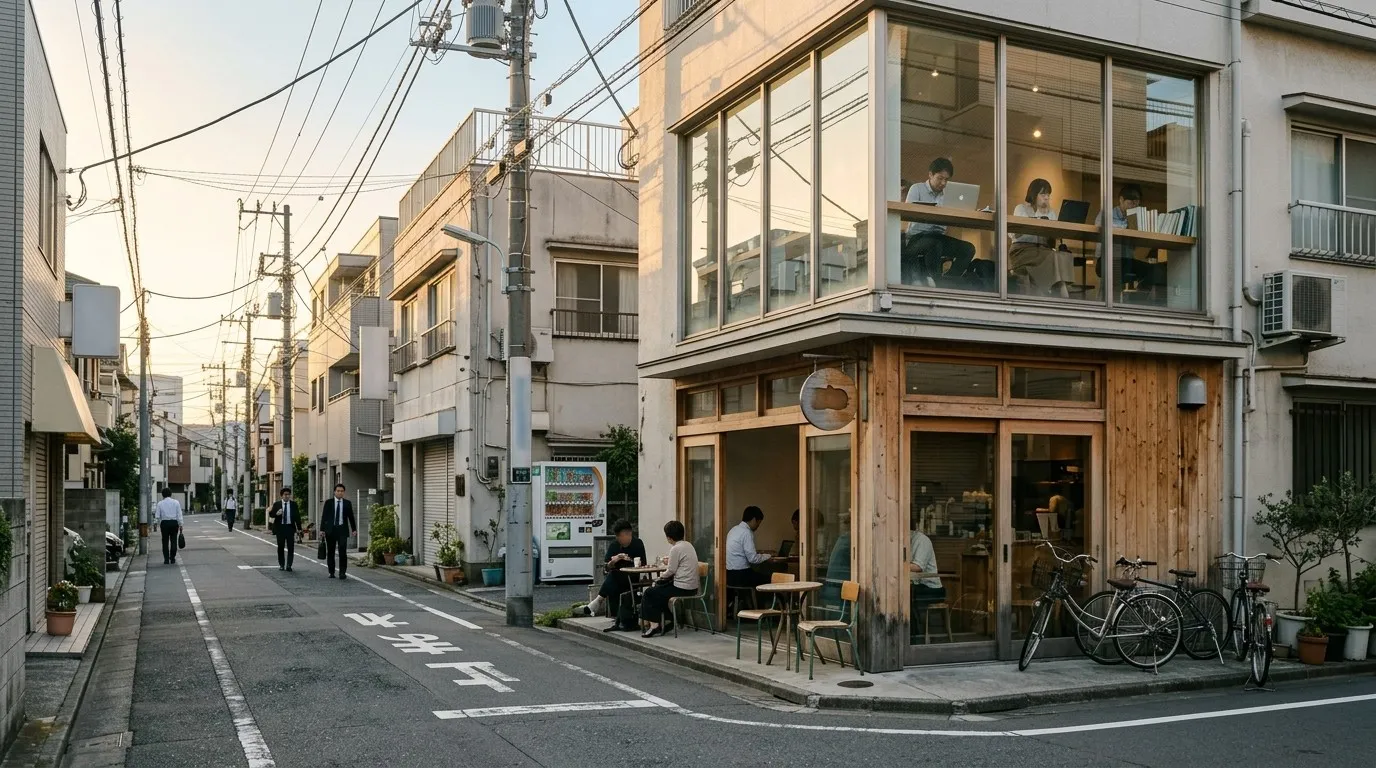
Foreign brands in Japan: what made Starbucks, IKEA and Pierre Hermé succeed
Starbucks runs more than 2,000 cafés in Japan. Pierre Hermé opened his first shop in Tokyo before Paris, and IKEA made it on its second attempt. We went back over how they arrived, date by date, to see what worked.
Analysis
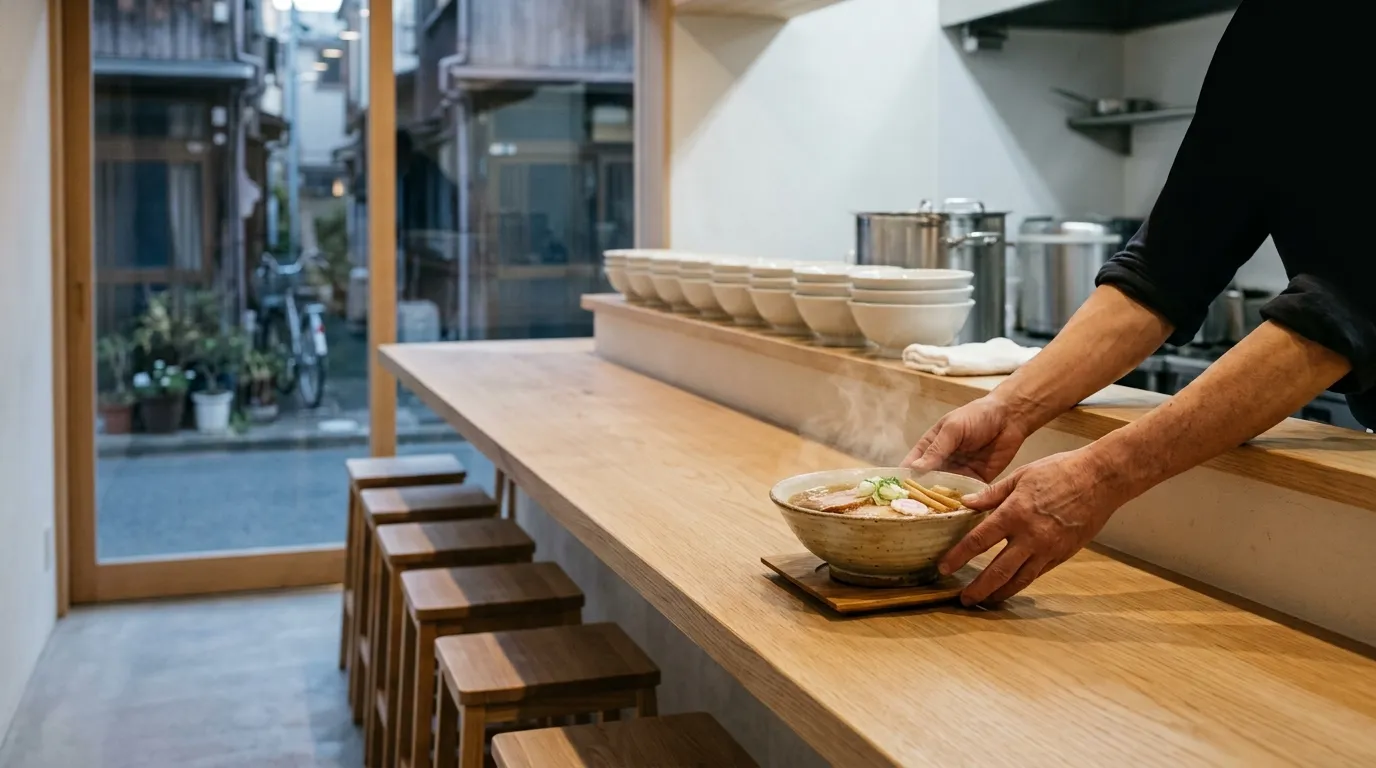
Shingyotai: how Japanese chains test a new concept
Pancho, Mos Burger, FamilyMart: six chains opened a new format in Tokyo in one year. How they test a concept, and what a foreign brand can take from it.
Analysis
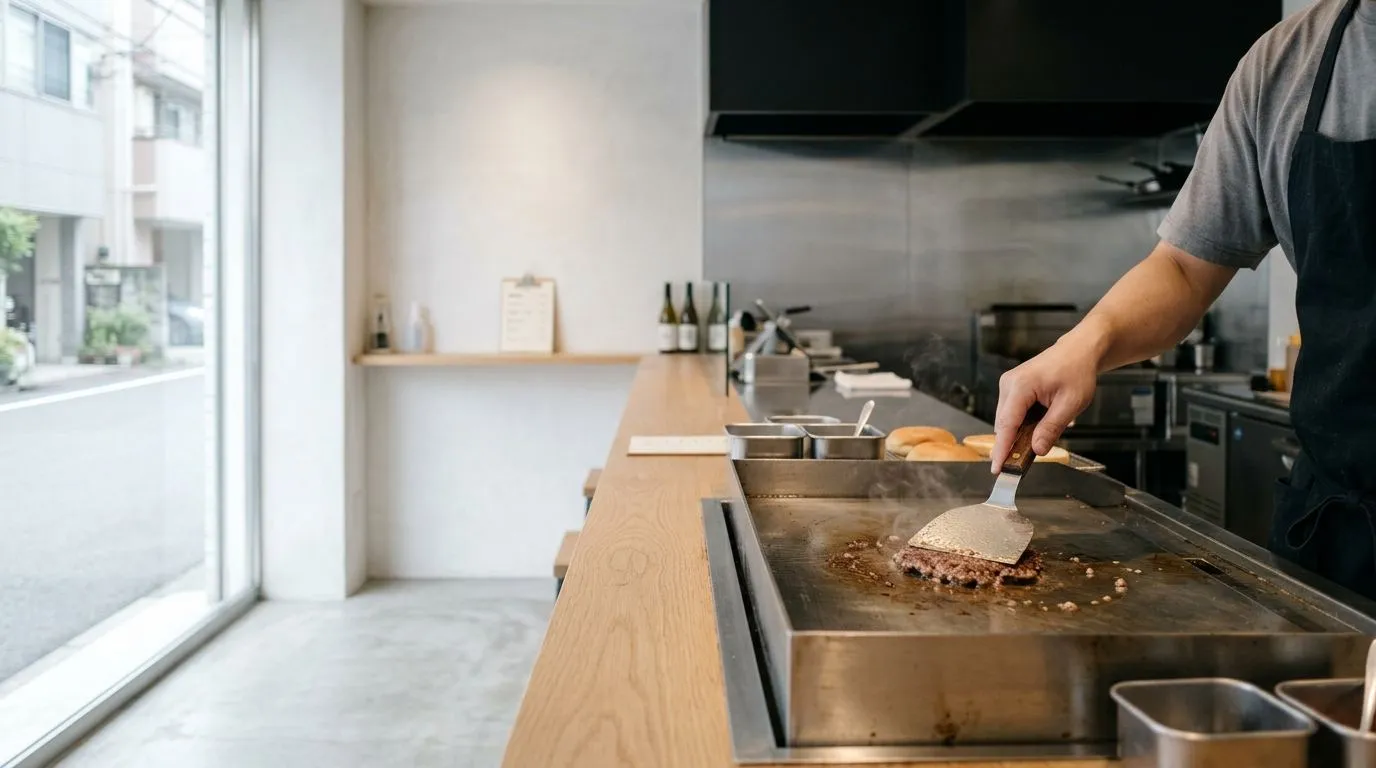
Tokyo's burger market passes one trillion yen
A record market, funds bidding for the chains, and burgers sold at steak prices. What a foreign brand needs to know before entering Tokyo.
A guide informs. A project needs a closer look.
Let's look at yours.
Book a 30-min callA costing rather than a conversation? Request a quote