Analysis · Foreign brands
Foreign brands in Japan: what made Starbucks, IKEA and Pierre Hermé succeed
Starbucks runs more than 2,000 cafés in Japan. Pierre Hermé opened his first shop in Tokyo before Paris, and IKEA made it on its second attempt. We went back over how they arrived, date by date, to see what worked.
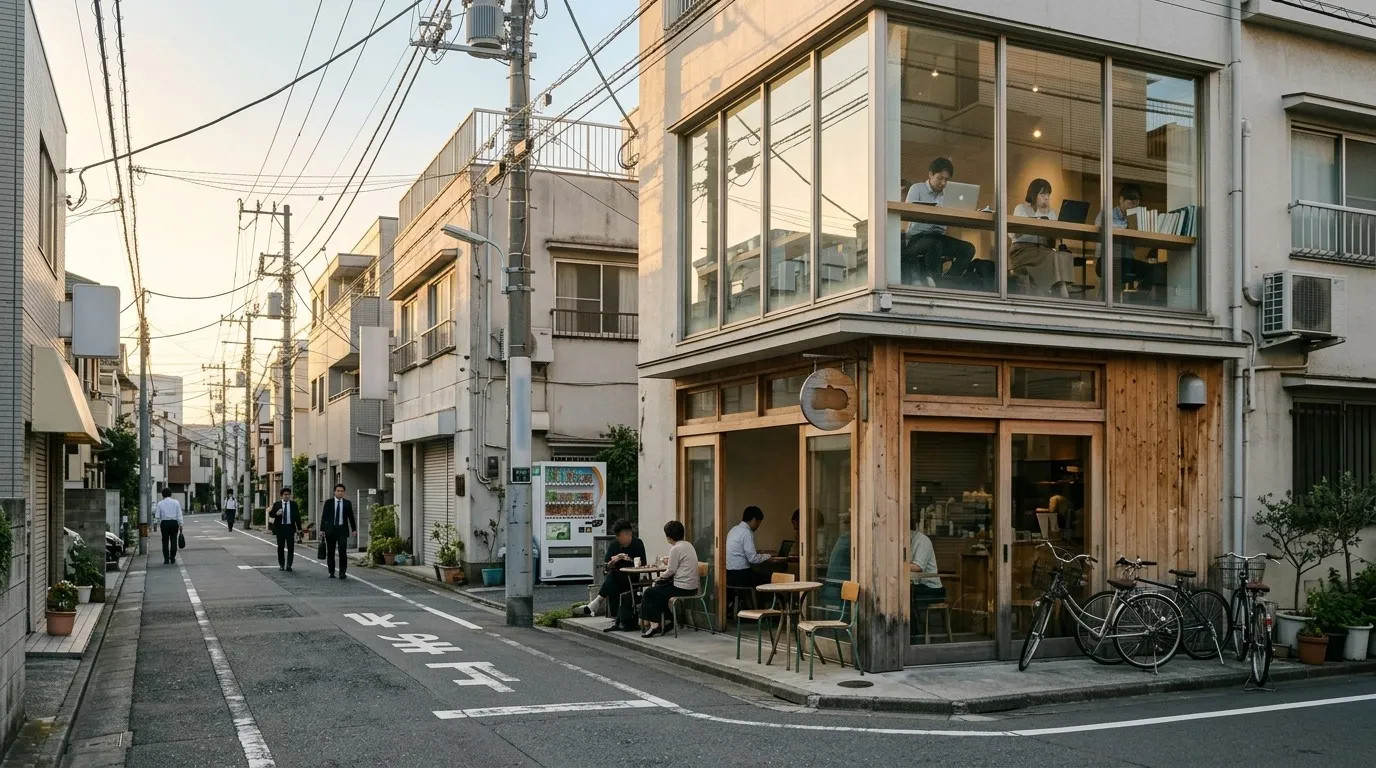
In August 1996, Starbucks opened its first café outside North America on Matsuya-dori, in Ginza. Thirty years later, it has 2,116 stores in Japan.
Key takeaways
The foreign brands that last in Japan have relied on four things. They handed day-to-day operations to a Japanese company, chose the order of their openings, adapted the product without changing the brand, or spent years preparing a comeback after a first failure. The brands arriving this autumn are doing the same.
- Starbucks credits its Japanese partner with building its Japanese business, which had become its second-largest market by 2014.
- Blue Bottle opened its roastery before its cafés, and Pierre Hermé opened in Tokyo before Paris.
- Before returning in 2006, IKEA visited more than 100 Tokyo homes and cut its range from about 10,000 to 7,500 products.
The five brands at a glance
| Brand | Arrival in Japan | Main lever | Today |
|---|---|---|---|
| Starbucks | August 1996, Ginza | joint venture with a Japanese group | 2,116 stores (March 2026) |
| Pierre Hermé | 1998, Hotel New Otani | Tokyo before Paris | 27 points of sale |
| Blue Bottle | February 2015, Kiyosumi-Shirakawa | roastery before cafés | 33 locations |
| Shake Shack | November 2015, Gaien Ichō-namiki | an operating partner, a menu for each city | 19 restaurants |
| IKEA | return in April 2006, Funabashi | four years of preparation | 14 stores and shops |
A Japanese company runs the business day to day
A foreign brand can hand operations to a Japanese company and keep the brand and the product for itself. Starbucks and Shake Shack both took this route.
Starbucks set up its Japanese company in October 1995, as a joint venture with a local group. The first café opened ten months later. In 2014, Starbucks bought out its partner, which then held 39.5% of the shares. By then Japan was its second-largest market, with more than 1,000 stores and about 25,000 employees. Starbucks credited the partner with "establishing and growing" the business.
In February 2015, Shake Shack signed an exclusive agreement with a Japanese group, which picks the sites and runs the restaurants. The first one opened on 13 November 2015 on Gaien Ichō-namiki, the ginkgo avenue in Kita-Aoyama. The brand chose it because it recalls Madison Square Park, where Shake Shack started. It now has 19 restaurants in Japan.
In both cases the brand kept control of its product and image, and the partner took charge of running things on the ground.
Choose the order of your openings
Blue Bottle and Pierre Hermé first opened the place that made everything else possible, and the showcase after that.
Blue Bottle Coffee opened its first café outside the United States on 6 February 2015, in Kiyosumi-Shirakawa. The roastery took up 181 of the 241 m², and the café had eight seats. Blue Bottle only sells beans roasted within the past 48 hours, so it set itself a rule: build the roastery first, then open cafés only where fresh coffee can be delivered. The Aoyama café followed a month later. Blue Bottle now has 33 permanent locations in Japan. We told its story in our article on Blue Bottle in Japan.
Pierre Hermé founded his house in 1997 and opened his first shop the following year, in Tokyo, at the Hotel New Otani. The Paris pâtisserie on rue Bonaparte only opened in 2001. The hotel still calls it the house's "first shop in the world". Pierre Hermé now has 27 points of sale in Japan, in hotels, department stores and a shop with a salon in Aoyama. It is his second-largest network after France.
Adapt the product, keep the brand
These brands kept their signature product. They added what Japanese customers look for: seasonal flavours, city editions, local production.
In 2002, Starbucks launched its matcha frappuccino and its SAKURA series, "out of respect for Japanese culture", in the brand's words. The series has come back every spring since.
Shake Shack kept its burgers and adapted its shakes. The Japanese menu has a black sesame shake, a hōjicha shake in eight Tokyo restaurants, an Uji matcha shake in Kyoto and a lemon cheesecake shake in Hiroshima. The chain has also worked several times with Den, a two-Michelin-star Tokyo restaurant.
Lush chose to make its products in Japan. Its workshop in Aikawa, Kanagawa, supplies its 77 Japanese shops and exports to seven markets in Asia.
Come back better prepared
IKEA returned to Japan twenty years after leaving, after four years of preparation. On reopening day, 35,000 people came.
IKEA's first time in Japan ran from 1974 to 1986. The IKEA Museum points to furniture too big for Japanese homes and a self-service model customers did not take to. IKEA set up a new Japanese company in July 2002. Its teams then visited more than 100 homes in Tokyo and studied more than 40,000 photos of interiors. They cut the range from about 10,000 to 7,500 products and made bookcases and wardrobes lower. In the store, they built 4.5-tatami rooms, the size of a small Japanese bedroom. They also added delivery and assembly.
IKEA Tokyo-Bay opened in Funabashi on 24 April 2006, on 40,000 m². In November 2020, IKEA opened a seven-floor, 4,800 m² store in Shibuya, its first vertical format in Japan. It now has 14 stores and shops in the country.
What brands arriving in 2026 are doing
This autumn's arrivals follow the same paths: a local company set up before opening, a venue designed as a showcase, an online shop before the physical one.
- Dandelion Chocolate, the San Francisco chocolate maker in Kuramae since February 2016, opens its Kiyosumi-Shirakawa factory on 30 October: about 990 m² on three levels, in the neighbourhood where Blue Bottle put its first roastery. The brand describes it as the largest craft chocolate factory in Japan.
- LEE GIMBAP, a Korean kimbap chain with 33 locations in Korea and 3 in the United States, opens near Fudomae station on 22 October, with delivery from day one. Its Japanese company has existed since December 2025, ten months before opening.
- Le Tanneur, the French leather goods house founded in 1898, launched a Japanese-language online shop in June. From 21 October to 3 November, it holds its first pop-up in Japan, on the ground floor of Isetan Shinjuku.
What a foreign brand can take from this
Before choosing a neighbourhood, a brand coming to Japan needs to settle three questions: who runs the business on the ground, in what order to open, and what it is willing to adapt.
For operations, there are two routes: a Japanese partner company, like Starbucks and Shake Shack, or a wholly owned subsidiary with a local team, like IKEA on its return. Either way, you need someone on the ground who knows the landlords, the recruiters, the suppliers and the ward's public health centre.
On the order of openings, Blue Bottle shows that a first site can produce before it showcases. Pierre Hermé shows that Japan can come before the home market.
Brands most often change the seasonal menu, the product size and the service. Starbucks, Shake Shack and Pierre Hermé kept their signature product as it was. IKEA resized its furniture and kept its style and its self-service.
This is the role Dodai Studio plays for brands opening in Japan. We find the premises, negotiate the lease, obtain the licences, recruit the team and choose the suppliers. The brand keeps control of its product and of every decision that commits its money.
Sources
- Starbucks Coffee Japan, “沿革 1995-2000”, accessed 16/10/2026
- Starbucks Coffee Japan, “会社概要”, as of 31/03/2026
- Starbucks Corporation, Starbucks Poised for Continued Growth and Innovation in Japan Through Full Ownership, 23/09/2014
- Blue Bottle Coffee Japan, PR Times press release, 21/01/2025
- Blue Bottle Coffee Japan, press release vol. 15, 08/02/2016
- Shake Shack Japan agreement, PR Times press release, 18/02/2015
- Shake Shack Japan, PR Times press release, 02/09/2015
- Pierre Hermé Paris, The house
- Shake Shack Japan, locations and menu, accessed 16/10/2026
- Blue Bottle Coffee Japan, café list, 16/10/2026
- IKEA Museum, Retail revival in Japan
- Hotel New Otani Tokyo, press release, 28/09/2023
- Pierre Hermé Paris Japan, shop list, 16/10/2026
- Starbucks Coffee Japan, press release SAKURA, 07/02/2019
- Shake Shack Japan, PR Times press release, 30/10/2025
- Lush Japan, Aikawa town, April 2023
- IKEA Japan, 20th anniversary timeline
- IKEA Museum, Too big in Japan
- IKEA Japan, About IKEA Japan, February 2026
- IKEA Japan, IKEA Shibuya opening, 29/10/2020
- Dandelion Chocolate Japan, PR Times press release, 21/07/2026
- Dandelion Chocolate Japan, PR Times press release, October 2026
- StandardBridge Japan, PR Times press release, 15/10/2026
- WWD Japan, Le Tanneur at Isetan Shinjuku, 14/10/2026
Frequently asked questions
Do you need a Japanese partner to open in Japan?
No. A foreign brand can set up its own Japanese company, as IKEA did in 2002. A local partner brings day-to-day operations: the sites, the team, the relationship with landlords. Starbucks and Shake Shack chose this route. Starbucks bought out its partner in 2014, nineteen years after they created their joint venture.
How long does it take a foreign brand to get set up in Japan?
Starbucks opened its first café ten months after creating its Japanese company. Shake Shack opened nine months after signing its agreement. IKEA took almost four years between setting up its company in 2002 and opening Funabashi in 2006.
Do you need to adapt your product for Japan?
The brands covered here kept their signature product and added variations: seasonal flavours at Starbucks, city shakes at Shake Shack, resized furniture at IKEA. The menu, the sizes and the service change. The product that made their name stays recognisable.
Why open in Tokyo first?
Tokyo has the department stores, the hotels and the neighbourhoods that the press and customers watch. Pierre Hermé opened there before Paris. Starbucks, Blue Bottle and Shake Shack all opened their first Japanese location there.
Is a pop-up enough to enter the Japanese market?
A pop-up lets you sell and meet customers without signing a lease. Le Tanneur is using one at Isetan Shinjuku, after launching a Japanese online shop. Our guide to pop-up stores in Tokyo covers the formats, the venues and what they cost.

The letter
土台 Journal, every week.
The restaurants and shops that have just opened in Tokyo, found on foot. Past issues are readable in full, with no sign-up.
Read next
Analysis
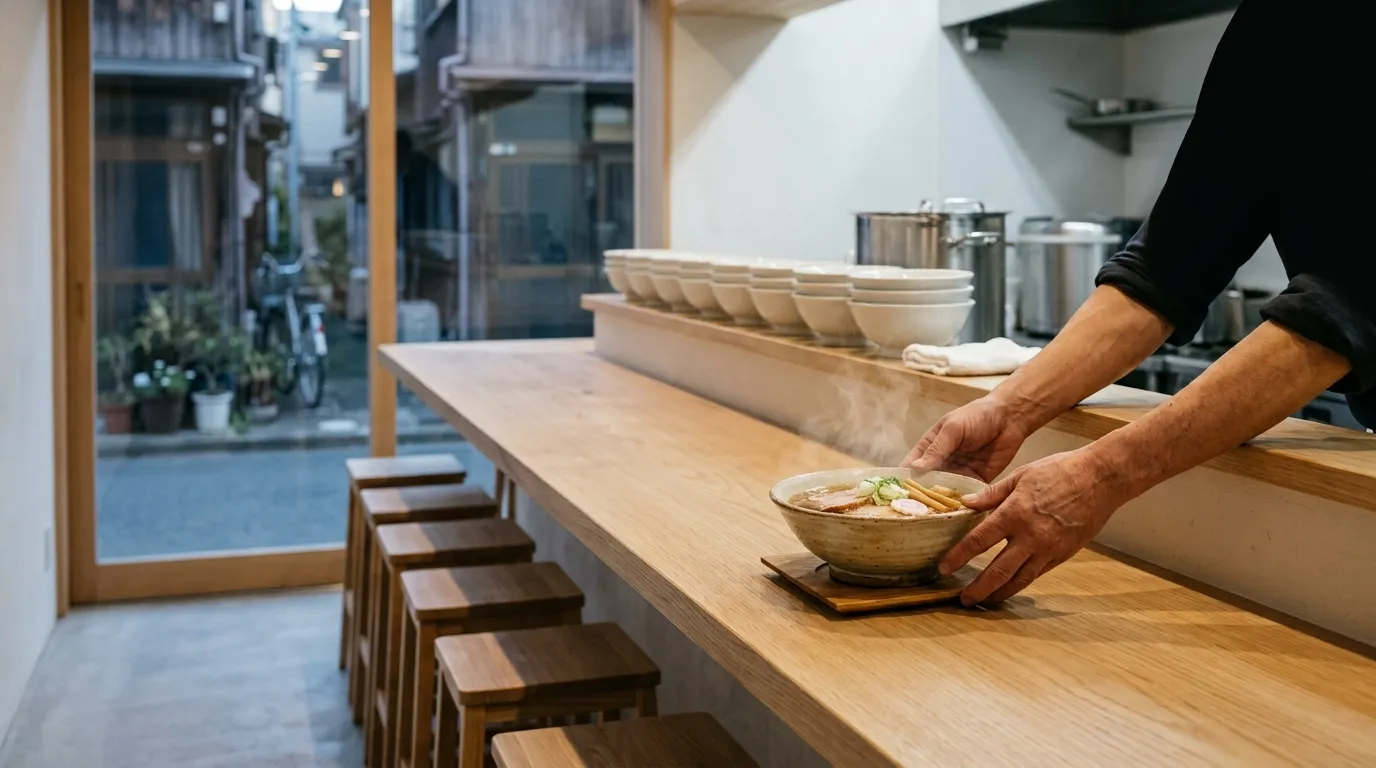
Shingyotai: how Japanese chains test a new concept
Pancho, Mos Burger, FamilyMart: six chains opened a new format in Tokyo in one year. How they test a concept, and what a foreign brand can take from it.
Analysis
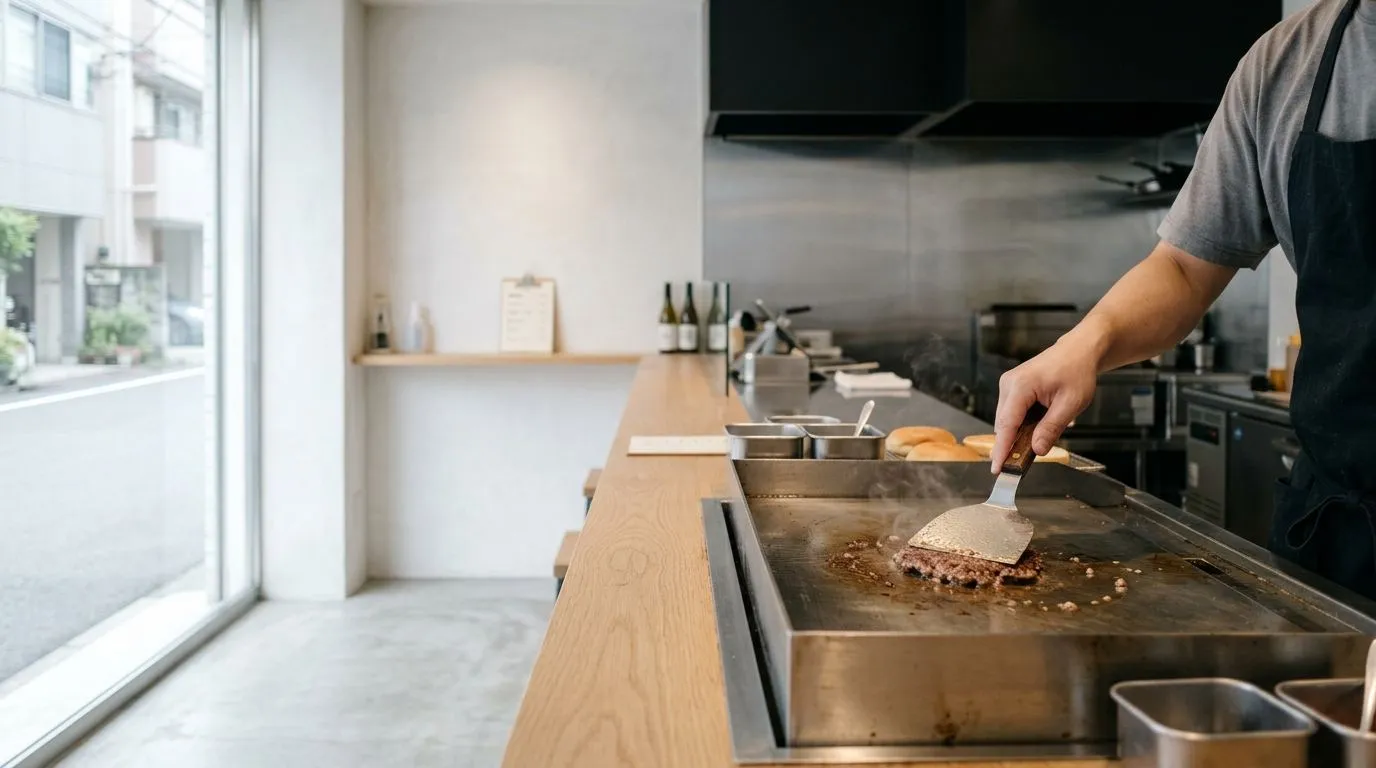
Tokyo's burger market passes one trillion yen
A record market, funds bidding for the chains, and burgers sold at steak prices. What a foreign brand needs to know before entering Tokyo.
Analysis
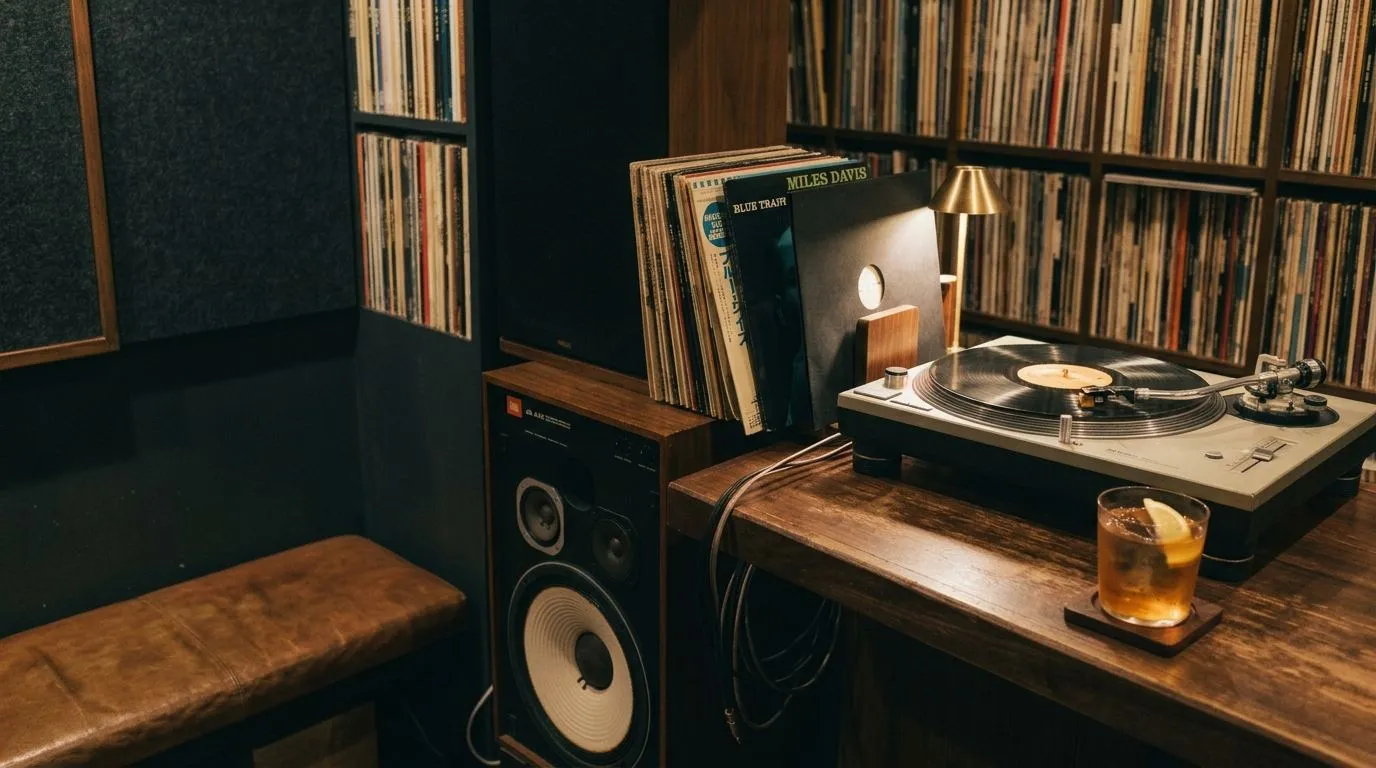
Why music bars are coming back in Tokyo
Two openings in seven days, a global wave and seventy years of jazz kissa. Where the format comes from, why it returns now, and what is still open to take.
A guide informs. A project needs a closer look.
Let's look at yours.
Book a 30-min callA costing rather than a conversation? Request a quote