Case study · Bakery
Japan's premium milk bread bubble, and what it cost
In 2013 an Osaka bakery sold one loaf of bread. Five years later Japan had hundreds of shops just like it. Then the closures started.
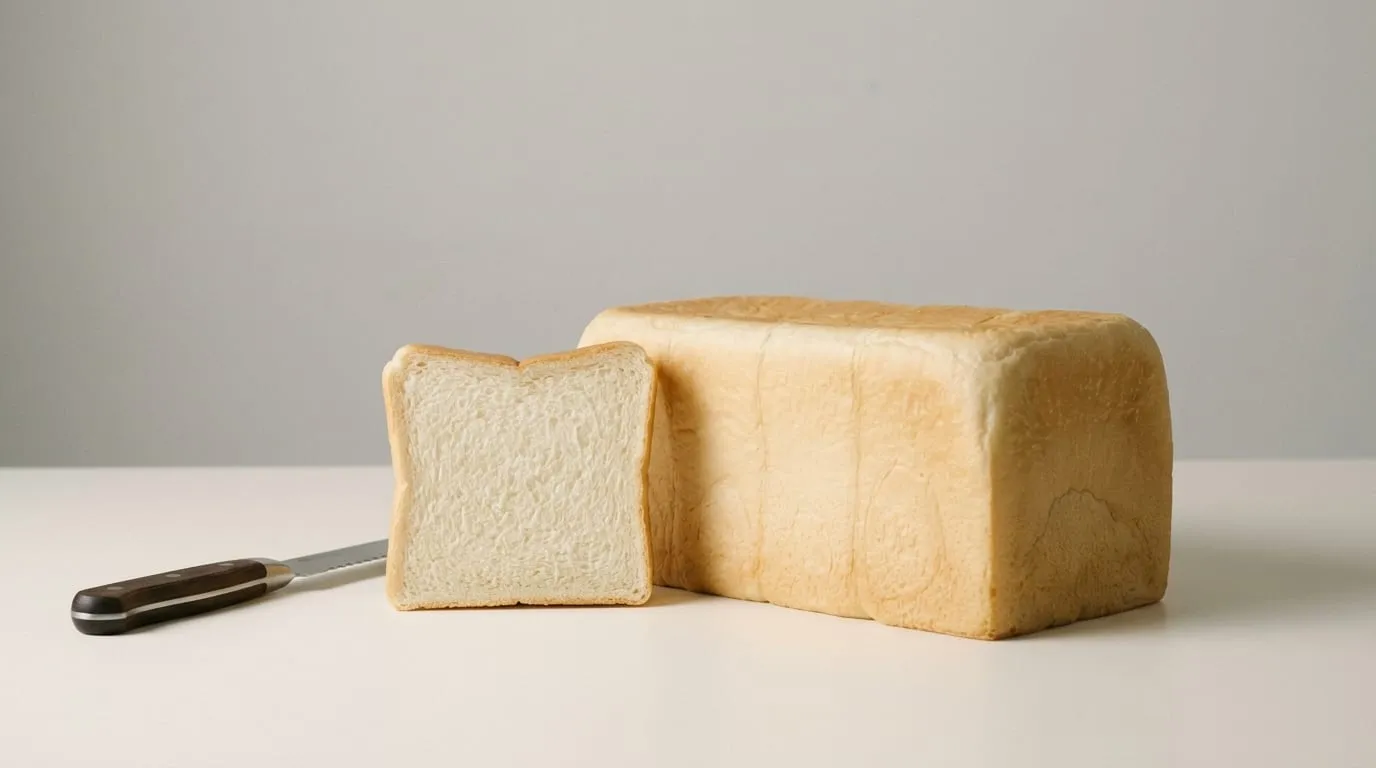
Premium milk bread is the most complete Japanese case study we know: one product, a queue outside, a franchise network recruiting hard, then liquidations in series. What lifted it, what broke it, and what a foreign operator should take from it before signing anything.
One loaf, and the queues
In 2013, a small bakery in Osaka put a loaf of milk bread on sale. One product, no pastry counter, no sandwiches, no viennoiserie. Just a loaf, sold whole, at a price no Japanese customer was used to paying for bread. The bakery is called 乃が美, Nogami.
The product had one feature that made it onto every television show: the crust was as soft as the crumb. In Japan this is called 生食パン, raw bread, meaning bread you eat as it is, without toasting and without butter. It worked. Before long the house was being described as the bakery selling fifty thousand loaves a day.
Premium milk bread is not sold as bread. It is sold as a gift.
The positioning mattered as much as the recipe. A single product, a whole loaf, careful packaging, and customers who bought it to give away.
How the boom worked
The real take-off was 2018. Nogami reached all 47 prefectures within five years, crossed 10 billion yen in sales, and the segment pulled in a crowd of imitators: 銀座に志かわ, 嵜本 SAKImoto, and dozens of others, often launched by a bakery producer who was highly visible in the media and gave his shops improbable names, designed to be remembered and photographed.
For a franchisee the model looks attractive, and it is worth understanding why before judging those who signed up.
- Few references to produce: one oven, one recipe, a small team. Training takes days.
- A product that travels: a whole loaf can be carried, given and kept, which opens up takeaway with no complicated logistics.
- A high average ticket: well above what a neighbourhood bakery takes per customer.
Owners from other industries saw a fast career change, and the networks recruited widely. That is when the market filled up, including in mid-sized cities where nobody had checked the demand.
The turn
The first closures appeared as early as 2021. They accelerated through 2023 and 2024, and the list of causes reads like a manual.
Saturation first. Premium bread shops ended up a few streets from one another, in districts that never had the density to support one of them. Then the product itself: a 1,000 yen loaf, when the shop fifty metres away sells the same thing, stops being a gift and becomes bread that costs too much. The reviews repeat the same line, not worth the price.
Covid then hit a model that lived on occasions: the gift you bring when visiting, the dessert shared at the office. When the occasions disappear, the whole loaf stays on the shelf. And in 2022 wheat prices surged after the invasion of Ukraine, weighing on a recipe whose main raw material is flour.
Finally there is the franchise mechanics. At Nogami and at SAKImoto, struggling franchisees turned against their own head office, with litigation and closures in series. The model holds while the product sells on its own. It stops holding when you have to go and find the customer.
The numbers at the end
At its peak the Nogami network ran more than 200 shops across the country. Around 70 remain today, and the house leans on online sales to stay in the game. One operator in the segment stopped trading in early 2023, leaving roughly 5 billion yen of debt.
The most telling case does not even come from bread. In 2018 a car dealership diversified into premium milk bread and opened several shops. The wave receded, the subsidiary became a burden, and in March 2026 the company was liquidated with around 470 million yen of liabilities. A healthy trade, sunk by a trend it joined at the wrong moment.
Teikoku Databank, which tracks corporate failures in Japan, sums it up in one line: the boom has settled. That does not mean author bread has disappeared. The same firm notes that bakeries betting on a distinctive product keep finding an audience.
What survives
Three groups come out of it, and size has little to do with it.
- The houses with real craft behind the product, not just a name and an oven. They held quality when the trend passed, and kept their neighbourhood customers.
- The operators who stopped opening for the sake of opening: one well-placed address, one product held properly, a stable team, and no network to fund.
- Those who turned the constraint into a model: online sales, delivery, events, collaborations, rather than waiting for the customer to walk in.
What disappeared is the belief that one fashionable product is enough to keep a business alive. Premium milk bread did not fail because the product was bad. It failed because hundreds of people opened the same shop, at the same time, with the same recipe, believing that a queue was a business model.
What it means for a brand
- A queue is not a market: the first year of an exploding product measures curiosity, not solid demand. What matters is what remains once the press stops writing about it.
- A franchise amplifies everything, including the mistake: it turns a good idea into a hundred shops, and a turn into a hundred closures. In a trend market it parks the risk with the franchisee, never with the head office.
- A single product is a bet, not a model: it works while scarcity carries it, and becomes fragile as soon as competitors make it ordinary. In Tokyo that takes about two years.
- A high price is paid for in perceived value: a 1,000 yen loaf is not defended by its price but by what the customer cannot find elsewhere. The copy fifty metres away destroys both.
- Depending on one consumption occasion is a hidden risk: a product bought to be given away depends on a social calendar. When the occasions thin out, it does not shift to another use.
- Japan is not one market, it is a series of markets: premium bread worked in a few specific districts, with a specific clientele, before anyone concluded that the whole country was waiting for the same loaf.
Checking that a concept holds against the real demand of a neighbourhood, rather than the average of a country, is the first piece of work we do with you when you want to open in Japan.
Sources
- Yomiuri Shimbun, April 2022, on the end of the boom and competition in premium bread
- Diamond, February 2020, on rising bakery failures during the bread boom
- 週刊文春, June 2023, on closures at Nogami and the conflict between franchisees and head office
- ITmedia Business, April 2023, on mass closures among premium bread players
- TBS NEWS DIG, February 2023 and April 2026, on an operator stopping with 5 billion yen of debt and on the liquidation of the car dealership
- MARR, April 2022, case study on the end of the premium bread boom
- Teikoku Databank, corporate failure tracking in Japan, for the state of the market after the boom
Frequently asked questions
What is Japanese premium milk bread?
A high-end loaf sold whole and unsliced, whose crust is as soft as the crumb. In Japan it is called 生食パン, bread you eat as it is, without toasting or butter. The segment was born in Osaka in 2013 with the Nogami brand.
Why did the premium milk bread boom collapse?
Four causes stack up: saturation, with shops a few streets apart, a product priced around 1,000 yen that competitors made ordinary, the loss of gifting occasions during Covid, and the wheat price surge after 2022. Franchise mechanics amplified all of it.
How many Nogami shops are left today?
Around 70, against more than 200 at the peak. The house now leans on online sales to offset the closure of part of the network.
Is opening a bakery franchise in Japan risky?
In a trend market, yes. Franchising parks the risk with the franchisee rather than the head office, and it turns a change in fashion into closures in series. At Nogami and SAKImoto, franchisees took their own networks to court.
Has author bread disappeared in Japan?
No. Teikoku Databank notes that bakeries betting on a distinctive product keep finding an audience. What disappeared is the idea that one fashionable product is enough to keep a business alive.
What is the lesson before opening in Japan?
That a queue measures curiosity, not demand. And that Japan is not one market but a series of markets: a concept that works in three Tokyo districts does not necessarily work in a mid-sized city.

The letter
土台 Journal, every week.
The restaurants and shops that have just opened in Tokyo, found on foot. Past issues are readable in full, with no sign-up.
Read next
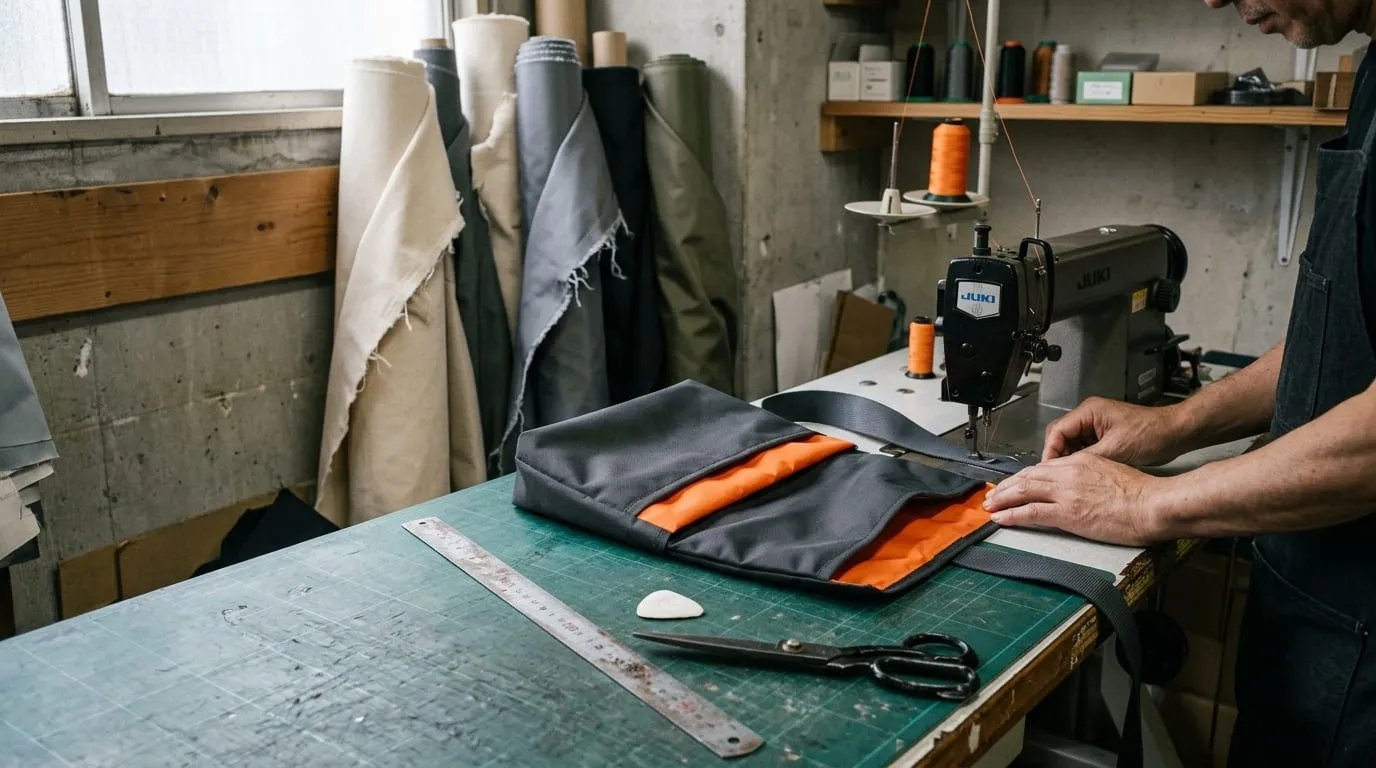
Case study
Porter, the bag nobody ever advertised
Since 1962, Porter has sold its bags with no campaigns and no sales. How a Tokyo family firm turned its founder's instruction into a business model.
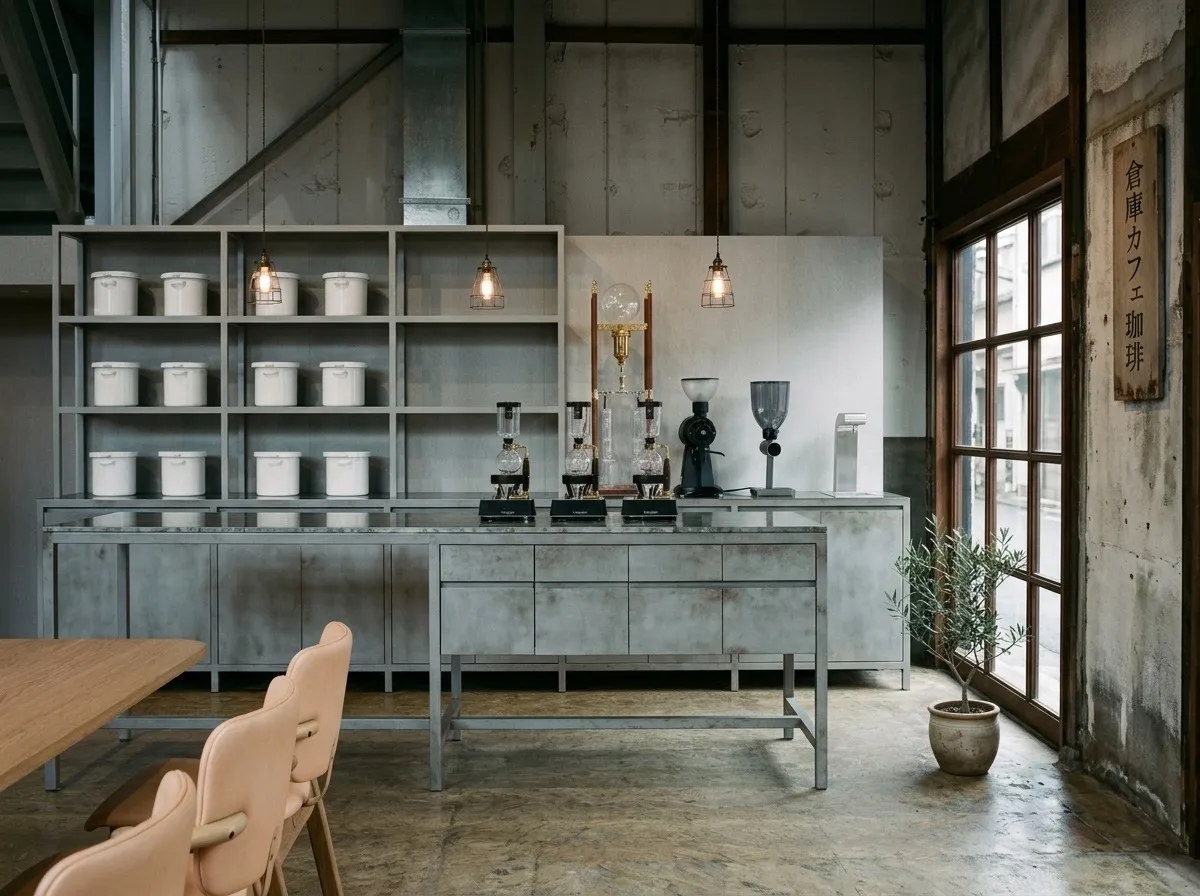
Case study
Blue Bottle in Japan: the rise of a myth, and what it cost
28 cafés, five-hour queues on day one, a loss-making sale eleven years later. What that trajectory really says about the Japanese market.
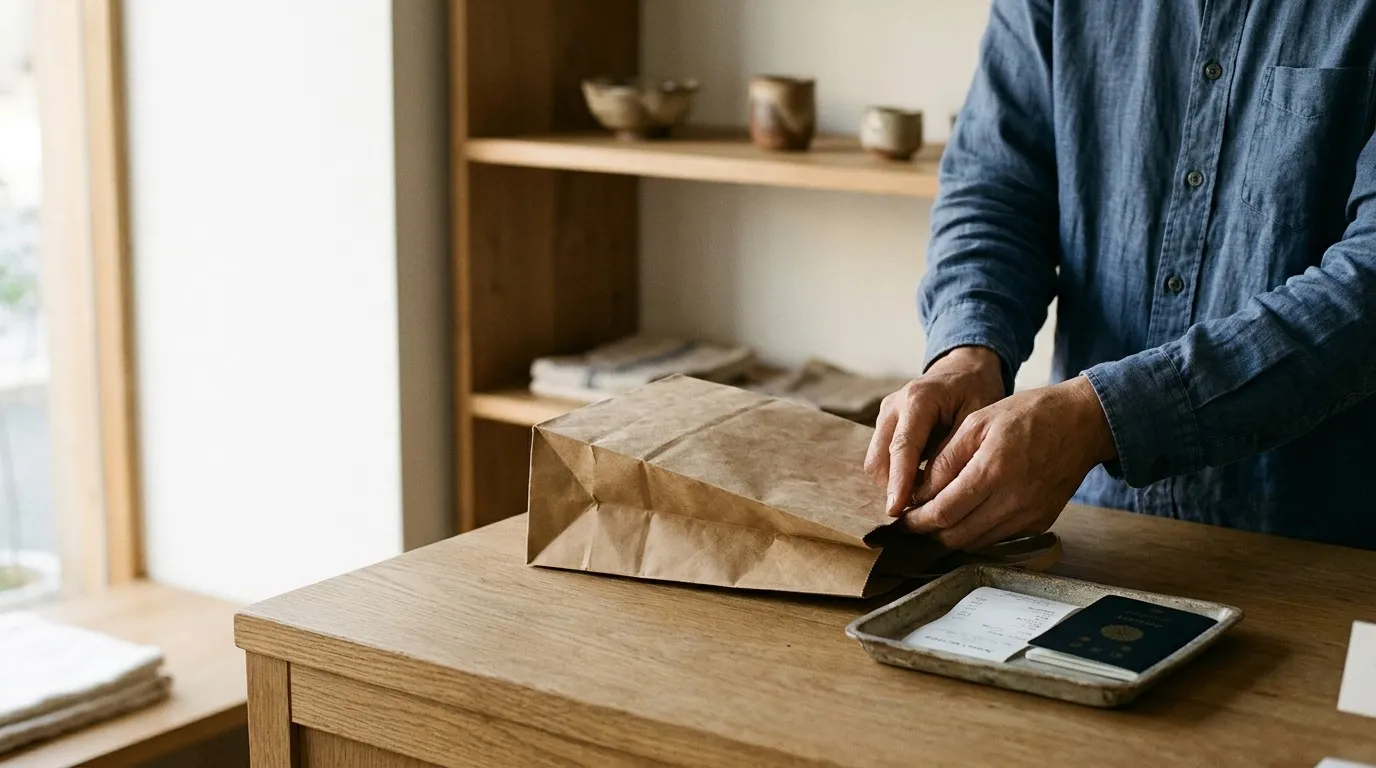
Practical guide
Japan's tax-free shopping changes on 1 November 2026: what retailers need to know
On 1 November 2026, Japan switches to a refund system for tax-free shopping. Tourists pay the tax at the till and get it back once customs has checked their purchases. A shop, a department store or a foreign brand that sells to visitors will have to change how it prices, refunds and reports each sale.
A guide informs. A project needs a closer look.
Let's look at yours.
Book a 30-min callA costing rather than a conversation? Request a quote